

Surrender opens our decisions to God’s direction and makes room for an obedient response.
We often arrive at prayer with a preferred outcome already in mind. We know which answer would feel comfortable, which opportunity we hope will open, or which change we would rather avoid. Surrender invites us to bring those desires honestly to God and remain open to His direction.
Surrender connects with being led by the Spirit. For a church community, this becomes a shared practice of prayer, listening, discernment, and response. We can grow in it through ordinary decisions long before we face a dramatic turning point.
In this lesson, you’ll be invited to
- Describe surrender through ordinary choices.
- Use prayer, Scripture, and wise counsel to examine an uncertain decision.
- Connect heavenly citizenship with the way we treat people now.
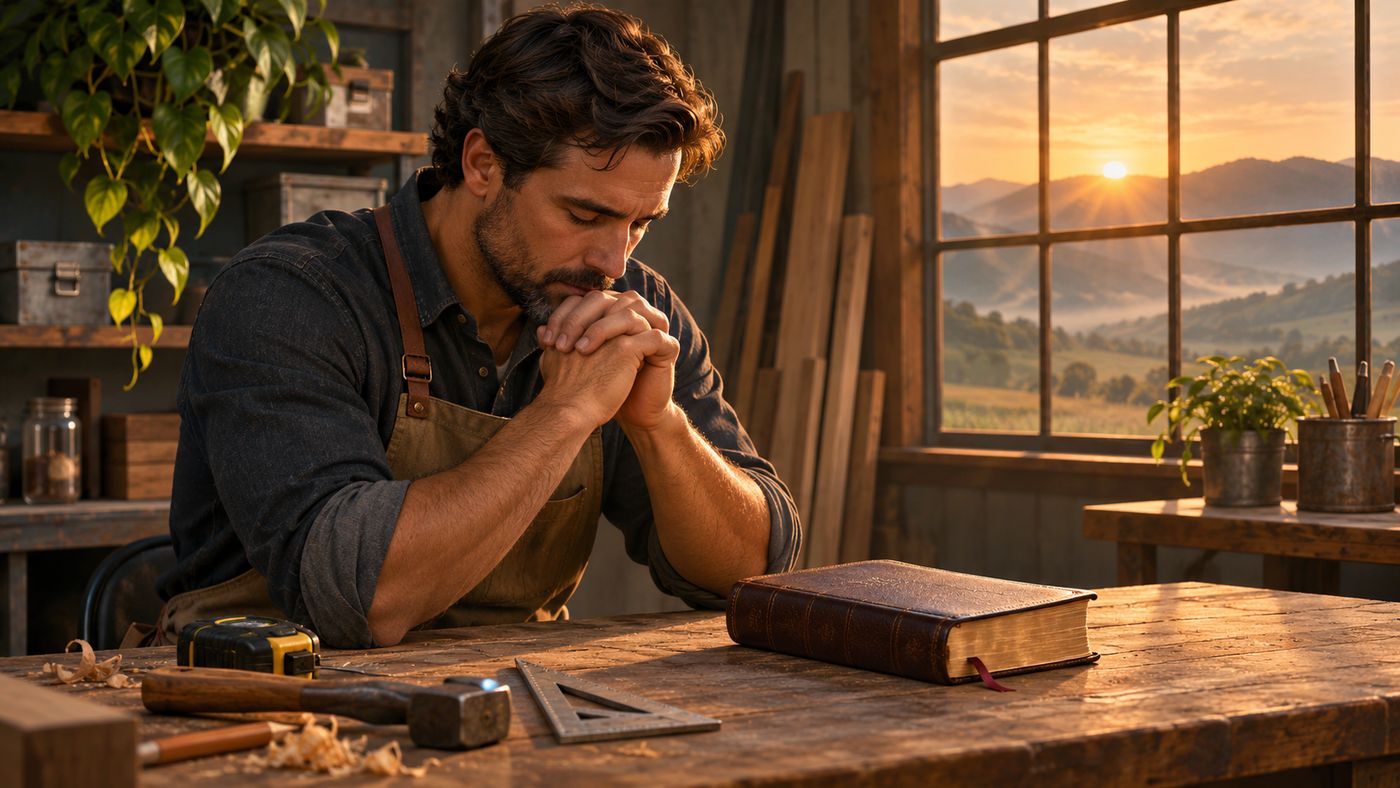
Surrender begins with an honest prayer
Surrender makes room to say, ’This is what I want, and I am willing to let You examine it.’ We can name a hope without demanding that it become the outcome. We can also name fear, disappointment, or a desire to stay in control.
Learning to give God glory can begin in ordinary circumstances. An immediate practice is accessible: begin the day by bringing your plans to God and asking how to respond faithfully to the people you encounter.
Trust God beyond your own understanding
Proverbs 3:5–6 calls us to trust the Lord and acknowledge Him in our ways. The passage reaches beyond the parts of life that already feel religious. Relationships, commitments, money, plans, and private habits can all become places where trust takes shape.
We can use the understanding we have while admitting its limits. Ask what assumptions are driving a decision. Listen to someone who sees the situation differently. Bring facts, responsibilities, and motives into prayer. A willingness to revise a plan can be a meaningful expression of trust.

Listening calls for discernment
A strong feeling deserves careful examination before we call it God’s direction. Ask whether the action agrees with Scripture, reflects the character of Christ, and honors the people affected. Consider whether trusted believers can help you see something you have missed.
Some decisions need time. Others involve a clear responsibility we have delayed. Discernment helps us tell the difference. A generous impulse, for example, can lead us to investigate a real need and choose a responsible response. We can remain open to the Spirit while recognizing that our own impressions can be incomplete.
Obedience becomes concrete
Listening connects with willingness and obedience. A response may require apologizing, releasing resentment, fulfilling a commitment, seeking help, or offering support that inconveniences us. The size of the action does not determine its spiritual significance.
When a decision affects a spouse, children, a ministry, or employees, include those responsibilities in the process. A claim of spiritual direction does not excuse secrecy or disregard for others. We can pursue courageous obedience with humility and accountability.
Heavenly citizenship shapes earthly life
Philippians 3:20 locates believers’ citizenship in heaven. That identity gives us a foundation for living with purpose amid an uncertain world. Our deepest allegiance can shape how we use influence, respond to anxiety, and care for people around us.
This hope can sustain faithful action during economic pressure, disappointment, or a closed door. It does not require pretending that hardship disappears. A church can embody its heavenly allegiance through practical compassion, integrity, and patient trust while facing the real circumstances of its community.

Changing a plan after listening
A church volunteer wants to begin a new program and feels frustrated when leaders ask for more discussion. Through prayer and conversation, he learns that families already feel overwhelmed by the calendar. He adjusts the plan to support an existing ministry and discovers a useful way to serve. Surrender appears in his willingness to listen and redirect his effort.
Questions to consider
- Which outcome am I finding hardest to place before God with an open hand?
- How do I usually distinguish a strong preference from a clear responsibility?
- Who has permission to question my interpretation of a decision?
- How could my allegiance to Christ shape one ordinary interaction today?
This week: bring one decision into the light
- Write down a current decision, your preferred outcome, and the people affected.
- Pray, consider relevant Scripture, and seek wise input where needed.
- Choose a responsible next response and remain willing to reassess what you have understood.
A prayer
Holy Spirit, guide us as we bring our desires and decisions before You. Help us listen with humility, recognize our limits, and respond with love. Teach us to trust God in the outcome as well as in the next step. Amen.