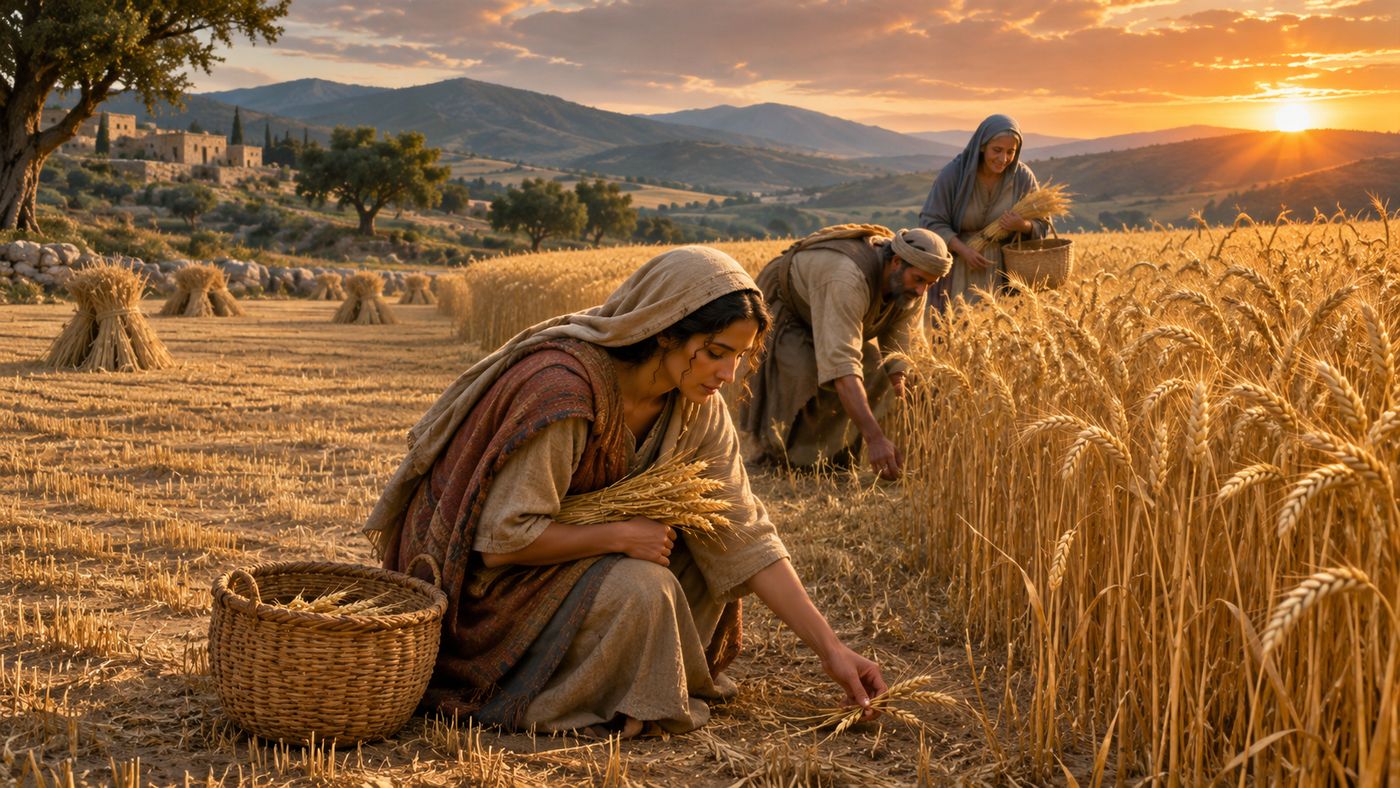

We receive our lives and gifts from God, and we can use them with purpose, care, and generosity.
Before we consider what we should accomplish, Genesis invites us to consider who God is and who we are in relation to Him. God creates, brings order, and calls human beings to participate in caring for His world. Our starting point is a life received from Him.
This matters at every stage of life. A child learning kindness, a parent caring for a household, a retiree mentoring a younger person, and an employer leading a team all have opportunities to practice faithful stewardship. Visible achievement is only one small part of that calling.
In this lesson, you’ll be invited to
- Describe how being made in God’s image shapes the way we treat people.
- Recognize how words influence relationships and decisions.
- Choose one gift or resource to develop and share.
God creates and gives life
Genesis 1 repeatedly describes God speaking and creation responding. Light, land, plants, and living creatures depend on His initiative. The passage establishes God as the source of life and the One who gives creation its order.
For the church, this begins a posture of gratitude. We enter a world we did not make and receive abilities we did not give ourselves. Our creativity can become a response to God’s generosity: growing food, repairing a home, composing music, teaching a child, or solving a problem for a neighbor.
Every person bears God’s image
Genesis 1:26–28 gives human beings dignity and responsibility. Bearing God’s image shapes how we see ourselves, but it also shapes how we see someone whose abilities, background, or circumstances differ from ours. Their worth does not depend on usefulness, income, or influence.
The command to be fruitful and care for the earth invites purposeful participation in God’s world. This lesson applies that theme to developing gifts and serving others. Parenthood, paid work, and financial growth are not the only expressions of a fruitful life. Faithful care, wise teaching, hospitality, and patient service can bear lasting fruit.

Faithfulness develops what we receive
In the parable of the talents, a master entrusts resources to servants and later asks them to account for their stewardship. The servants receive different amounts, yet the faithful servants receive the same commendation. Comparison distracts from the responsibility each person actually holds.
In everyday life, this can mean practicing a skill, completing a commitment, or using an opportunity to serve. Multiplication and productive work are useful applications of the parable. Read that application within the wider call to faithfulness: a person’s salary or business results cannot measure their standing before God.

Resources can become a blessing
The resources described in Eden remind us that we receive from God’s provision. Whether we have money, a spare room, practical knowledge, or an hour to listen, we can ask how what we hold might serve someone else. Responsible provision and a generous heart belong together.
Sabbath rest belongs within this understanding of stewardship. Caring for what God has entrusted to us includes caring for our limits. We can work diligently, share freely, and receive rest without treating constant activity as the proof of a meaningful life.

An ordinary gift becomes useful
A church member enjoys fixing bicycles but assumes the skill has little spiritual value. After hearing that a neighbor cannot afford repairs, she offers to help. Later, she teaches two teenagers how to make simple repairs safely. A familiar ability becomes a way to meet a need and build relationships. The lesson is useful stewardship, whether or not the activity ever earns money.
Questions to consider
- Where do I tend to connect my worth to what I accomplish?
- Who needs to hear a truthful word of encouragement from me?
- Which gift have I neglected because someone else seems more capable?
- What resource could I share without seeking recognition?
This week: put one gift to use
- List three things you can offer: a skill, a resource, or time.
- Choose one person or need that one of those gifts could serve.
- Take one specific action this week and reflect on what you learned.
A prayer
Creator God, thank You for the life and gifts You have given us. Teach us to honor Your image in every person, speak with care, and use what we receive for the good of others. Amen.