
God’s provision invites us to share willingly and to cultivate habits that bless others.
Generosity often begins before a gift changes hands. It begins in the way we view what we have, the people we notice, and the room we leave for someone else’s needs. The language of sowing and reaping helps us explore that posture.
Everyone enters this conversation from a different place. Some have money to share. Others can offer time, hospitality, encouragement, or practical skills. Some are in a season when they need to receive help. A church grows in generosity as it learns to give and receive with dignity.
In this lesson, you’ll be invited to
- Explain how generosity can be planned before abundance arrives.
- Recognize the difference between willing giving and pressured giving.
- Choose a generous habit that fits your current responsibilities.
Leave room for others before the harvest
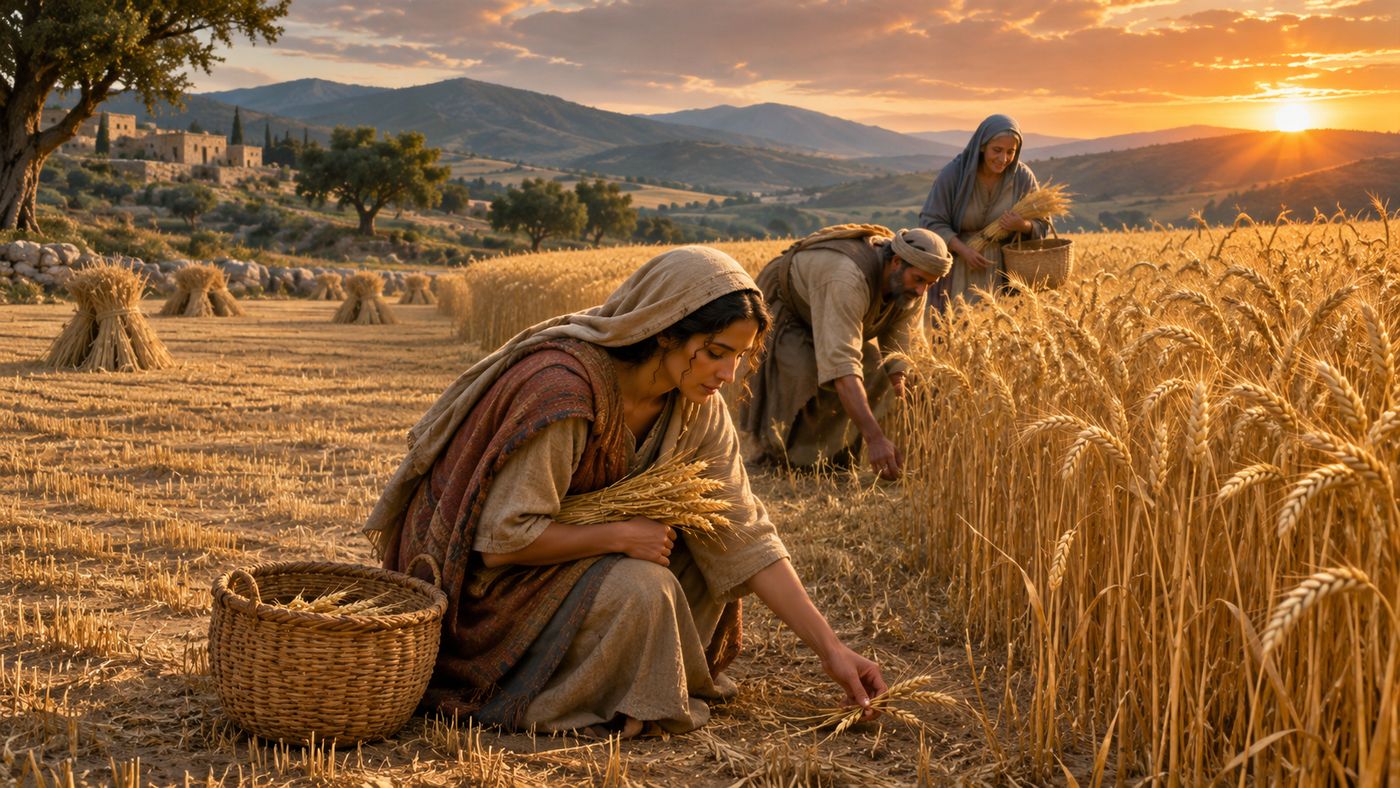
Leviticus 19:9–10 instructs landowners to leave parts of the harvest for people in need and foreigners living among them. Generosity is built into the way the field is harvested. The owner plans for someone else’s access to provision.
That picture asks a useful question of us: what have I already committed entirely to myself? A family may leave room in a meal for a guest. A skilled tradesperson may offer occasional help to someone who cannot afford a repair. A church can plan its resources with community needs in view. Generosity becomes easier to practice when we prepare for it.
Trust and giving belong together
Malachi 3 calls God’s people back to covenant faithfulness, including bringing tithes to the storehouse. The passage uses agricultural language to describe God’s provision and protection. Its original setting matters as we consider how to apply it today.
This lesson presents tithing as an expression of trust. Explore that teaching within your local church and examine your heart honestly. Receiving help in a difficult season can also be an act of trust. Giving should be considered with prayer and responsibility toward those who depend on us.

A willing heart matters
In 2 Corinthians 9, Paul uses sowing and reaping to encourage generosity. He connects provision with the capacity to share and directs attention to the needs being met. The giver’s willingness matters alongside the gift itself.
Ask what is motivating your response. Gratitude and care can lead to a meaningful gift. Fear, comparison, and pressure can distort the experience. A church can encourage sacrificial generosity while allowing people to make a thoughtful decision. The harvest image points toward a life that becomes fruitful in doing good; it should not be reduced to a guaranteed cash return.

Begin with the seed already in your hands
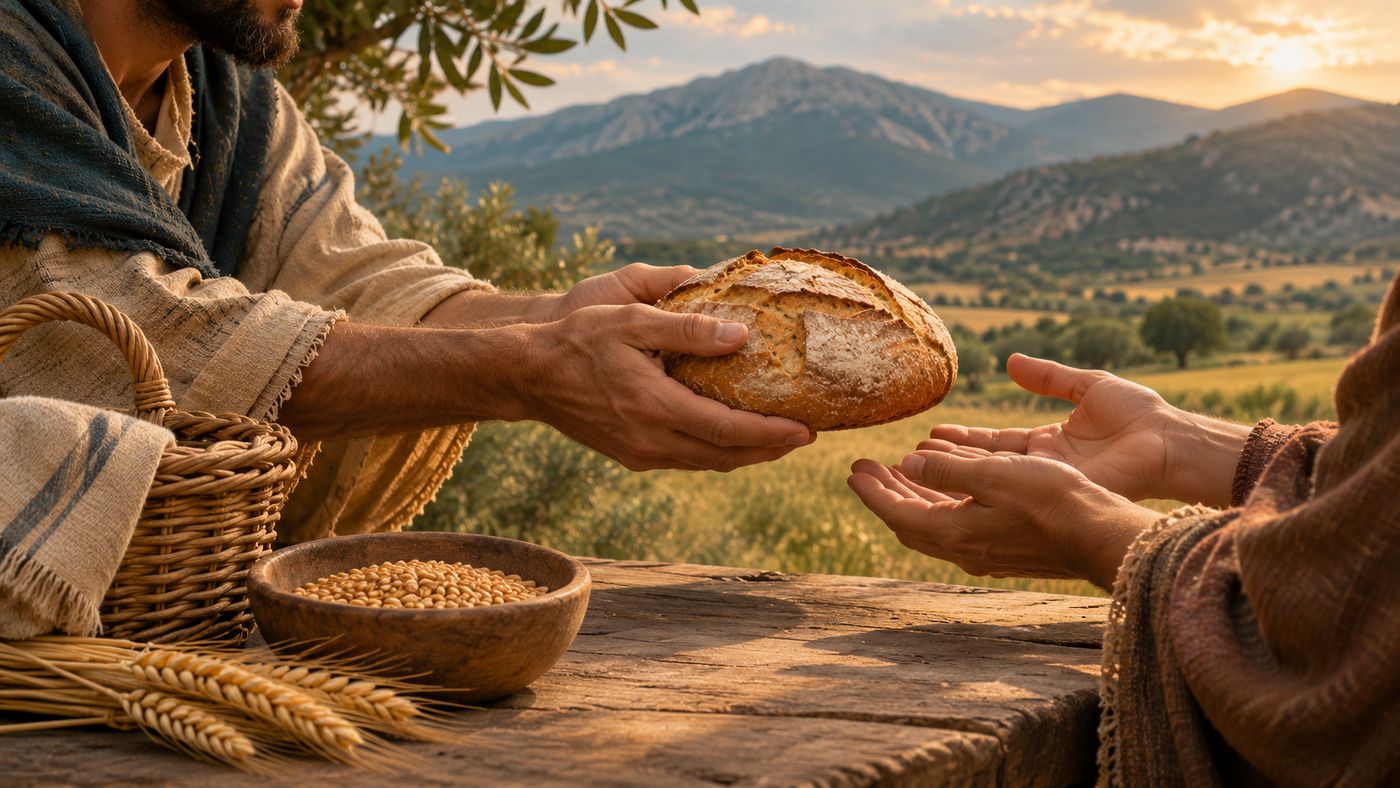
God’s provision includes seed as well as bread. The image invites action with what is presently available. We can become so focused on what we hope to have later that we overlook an opportunity to be generous today.
Choose something concrete and proportionate to your situation. Offer a meal, a ride, a patient conversation, a useful skill, or a financial gift. When resources are scarce, speak with someone you trust about both giving and receiving support. The purpose is to grow in faithful love, not to compete over the size of a contribution.
Notice what money is asking you to serve
Matthew 6:24 challenges divided loyalty. Money can become the standard that quietly decides what we value, whom we respect, and which compromises feel acceptable. The concern reaches into attitudes as well as spending.
Examine a recent decision. Did you overlook someone because they could not repay you? Did fear prevent you from asking for help? Did a desire for more lead you away from honesty or care? Financial responsibility and spiritual reflection can work together as we bring these motives before God.
Pass on a healthier pattern
Our habits can influence the generations that follow us. Exodus 20 places its warning within God’s command against idolatry and also speaks of His enduring mercy. For a church audience, the practical invitation is to consider the habits and loyalties we are passing on.
A household can learn to discuss money without secrecy, seek help without shame, and practice generosity without seeking status. Poverty itself does not establish that a family is cursed or unfaithful. We can address harmful habits while also responding compassionately to hardship and the circumstances people did not choose.
A generous habit in an ordinary household
A household chooses to prepare an extra portion of dinner once a week. When a neighbor has surgery, the food becomes practical help. Later, when that household faces its own difficult season, members of the church bring meals to them. Giving and receiving strengthen the same relationship. No one needs to pretend that needing help is a spiritual failure.
Questions to consider
- Where have I planned every part of my resources around my own wants?
- What can I offer in my current season?
- Do I find it easier to give help or receive it, and why?
- What attitude toward money would I like the next generation to learn from me?
This week: plan one act of generosity
- Notice one specific need within reach.
- Choose a willing, responsible way to respond with time, skill, hospitality, or money.
- Afterward, reflect on your motives and on how to make generosity a continuing practice.
A prayer
Generous God, help us recognize what You have placed in our hands. Give us willing hearts, wisdom in our choices, and humility to receive help. Grow habits of care that bless our neighbors and those who come after us. Amen.